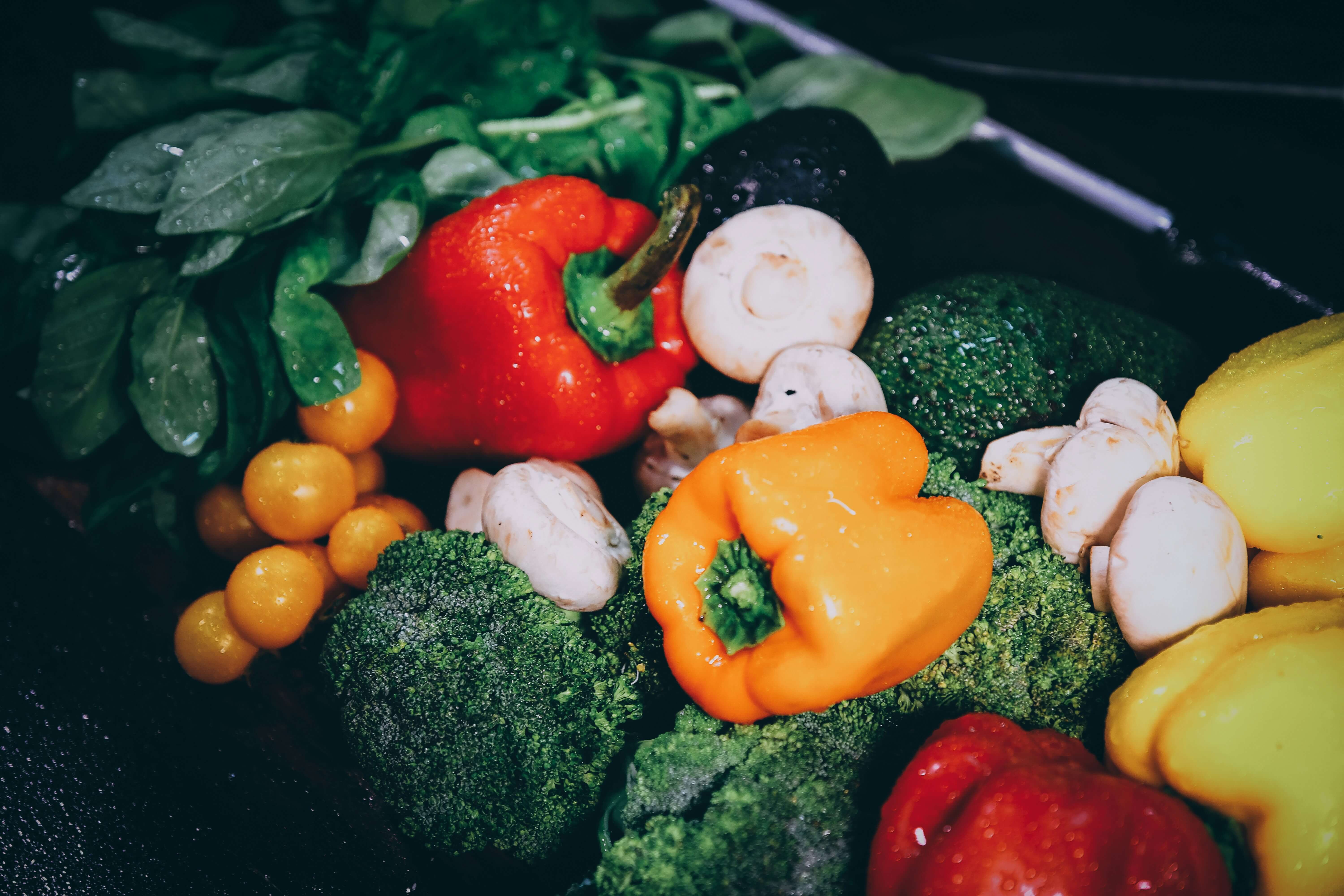
Every time cold and flu season arrives, the same ritual plays out in millions of households. Someone starts feeling off, reaches for the orange juice and vitamin C tablets, and hopes for the best. And while vitamin C genuinely matters for immune function, the idea that it is the primary or most important lever for immunity is one of the most persistent and limiting oversimplifications in mainstream health culture.
Your immune system is not a single organ or a single mechanism. It is an extraordinarily sophisticated, multi-layered biological defense network — involving over 1,000 distinct protein interactions, dozens of specialized cell types, and an intimate, bidirectional relationship with virtually every other system in your body. Feeding it well means understanding it more completely. And when you do, the strategies that emerge go far beyond reaching for a supplement bottle.
Here is the full picture — and why it changes everything about how you approach your health every single day.
What your immune system actually is — and why its complexity matters.
Your immune system operates in two primary layers. The first is the innate immune system — the rapid, non-specific first line of defense that responds immediately to any foreign invader. Physical barriers like skin and mucous membranes, fever responses, inflammation, and natural killer cells all belong to this layer. It reacts within minutes to hours and doesn't require prior exposure to a pathogen to respond.
The second layer is the adaptive immune system — the slower, highly specific, and extraordinarily intelligent arm that learns from every infection it encounters. T cells, B cells, and the antibodies they produce form the backbone of this system. It takes days to weeks to mount a full adaptive response, but once it does, it creates immunological memory — the biological basis of long-term protection against pathogens you've previously encountered.
Both layers depend on a complex web of nutritional, lifestyle, hormonal, microbial, and behavioral inputs to function optimally. Vitamin C supports aspects of both — primarily by protecting immune cells from oxidative damage and supporting the production and function of various immune cells. It is genuinely important. But it is one input into a system that has dozens of equally important and often far more overlooked requirements.
Vitamin D — the most underappreciated immune nutrient of the modern age.
If there is one nutrient that deserves more attention than vitamin C in the context of immune function, it is vitamin D — and the gap between how much people know about it and how critical it actually is to immunity represents one of the most consequential blind spots in modern public health.
Vitamin D is not just a bone health nutrient. It is an immune hormone. Virtually every immune cell — T cells, B cells, natural killer cells, macrophages — carries vitamin D receptors on its surface. This means that vitamin D doesn't just support immunity peripherally — it directly modulates the activity and behavior of the cells that are doing the actual fighting.
Research consistently shows that vitamin D deficiency is associated with significantly increased susceptibility to respiratory infections, including influenza and — as extensively documented during recent years — more severe outcomes from viral respiratory illness. A comprehensive meta-analysis published in the British Medical Journal, analyzing data from over 11,000 participants across 25 randomized controlled trials, found that vitamin D supplementation reduced the risk of acute respiratory tract infection by 12% overall — and by up to 70% in individuals who were severely deficient.
The critical problem: vitamin D deficiency is extraordinarily common. Estimates suggest that over one billion people worldwide are deficient or insufficient — not just in cold, low-sunlight climates, but across all geographies, including sun-rich regions, because indoor modern lifestyles have dramatically reduced natural sun exposure. Unlike vitamin C, which is relatively easy to obtain through diet, vitamin D is produced primarily through skin exposure to UVB radiation from sunlight — a process that is blocked by sunscreen, glass, clothing, and the simple fact of spending most of the day indoors.
The practical implication: getting your vitamin D level tested, and supplementing under medical guidance if you're deficient, is likely to have a far greater impact on your immune resilience than any amount of extra vitamin C.
Zinc — the immune mineral most people are quietly missing.
Zinc is one of the most critical and most commonly deficient micronutrients for immune function — and one of the least discussed outside specialist nutrition circles. It is required for the development and activation of T cells and natural killer cells, the production of cytokines that coordinate immune responses, the maintenance of the physical barrier of the gut lining, and the direct inhibition of viral replication in some pathogens.
Studies consistently show that even mild zinc deficiency — not severe deficiency, but the mild insufficiency that is surprisingly common in populations eating processed food-heavy diets — meaningfully impairs immune function. Conversely, correcting zinc status in deficient individuals produces rapid and measurable improvements in immune response.
Rich food sources of zinc include oysters, which contain more zinc per serving than any other food; red meat and poultry; shellfish; legumes; nuts; seeds; and whole grains. Plant-based zinc sources are less bioavailable than animal sources due to the presence of phytates — compounds that bind zinc and reduce absorption. People eating predominantly plant-based diets may benefit from higher dietary attention to zinc-rich plant foods or, in consultation with a healthcare provider, targeted supplementation.
Sleep — the single most powerful immune intervention available, and it's free.
No supplement, no superfood, and no pharmaceutical intervention comes close to matching the immune-boosting effects of adequate, high-quality sleep — and yet sleep is treated as the most expendable variable in most people's lives, sacrificed first when schedules tighten.
During sleep, your body undergoes a remarkable biological process of immune consolidation and preparation. The production of cytokines — signaling proteins that coordinate immune response, reduce inflammation, and fight infection — peaks during deep sleep. T cells, which are among the most important cells in adaptive immunity, undergo critical maintenance and proliferation processes during sleep. Natural killer cell activity, which provides surveillance against both infected cells and cancer cells, is significantly reduced after even a single night of poor sleep.
A landmark study published in the journal Sleep found that people who slept fewer than six hours per night were four times more likely to catch a cold when exposed to the rhinovirus than those who slept seven hours or more. Not 10% more likely. Four times more likely. The effect size of sleep on immune vulnerability is one of the largest and most consistent in the entire field of psychoneuroimmunology.
The practical implication is profound and simple: if you are sleeping less than seven hours per night and wondering why you get sick frequently, you have identified the primary driver. No supplement protocol will meaningfully compensate for chronic sleep insufficiency on immune function.
The gut microbiome — where most of your immune system actually lives.
Approximately 70 to 80 percent of your immune system resides in and around your gut. This is not a metaphor — it is an anatomical reality. The gut-associated lymphoid tissue contains more immune cells than any other location in the body, and the gut microbiome — the trillions of microorganisms living in your digestive tract — has a direct, bidirectional relationship with virtually every arm of immune function.
A diverse, well-nourished gut microbiome trains the immune system to distinguish between pathogens and harmless substances, prevents the kind of dysregulated immune activation that underlies allergies and autoimmune conditions, produces short-chain fatty acids that directly nourish immune cells in the gut lining, and competes directly with pathogenic bacteria for resources and space — providing what scientists call colonization resistance.
A microbiome disrupted by processed food, excess sugar, antibiotics, chronic stress, and insufficient dietary fiber loses these protective functions progressively. The result is an immune system that is simultaneously less capable of fighting genuine threats and more prone to misfiring against harmless ones.
Feeding your microbiome — through dietary fiber diversity, fermented foods, adequate sleep, regular movement, and stress management — is one of the most evidence-backed immune support strategies available. It addresses the root of immunity rather than a single branch.
Chronic stress — the immune system's most consistent enemy.
The relationship between stress and immune function is one of the most extensively researched areas in all of medicine — and the findings are unambiguous. Chronic psychological stress directly and measurably suppresses immune function through multiple mechanisms simultaneously.
Chronically elevated cortisol inhibits the production and activity of lymphocytes — the white blood cells central to adaptive immunity. It reduces natural killer cell activity. It impairs the production of secretory immunoglobulin A — the antibody that lines mucosal surfaces in the respiratory tract and gut, providing the first line of adaptive defense against inhaled and ingested pathogens. And it promotes a shift in immune activity from the carefully regulated adaptive response toward a generalized, dysregulated inflammatory state.
This is why people under chronic stress — caregivers, people in high-pressure work environments, those experiencing relationship difficulties or financial strain — get sick more frequently, recover more slowly, and are more susceptible to reactivation of dormant infections like cold sores and shingles. The mechanism is direct, measurable, and independent of other lifestyle factors.
Managing chronic stress is not a lifestyle luxury — it is a fundamental immune health intervention. And the mechanisms through which stress management improves immune function — reduced cortisol, restored sleep, normalized gut microbiome, reduced systemic inflammation — are as well-documented as those of any pharmaceutical treatment.
Physical activity — the immune system's training partner.
The relationship between exercise and immunity is one of the clearest examples in medicine of a dose-dependent effect: the right amount of the right type of exercise powerfully enhances immunity, while too little or too much works against it.
Moderate-intensity exercise — brisk walking, cycling, swimming, hiking, light jogging — performed for 30 to 60 minutes most days of the week produces a consistent and substantial enhancement of immune surveillance. It increases the circulation of natural killer cells and T cells, reduces chronic inflammation, improves lymphatic circulation, enhances gut microbiome diversity, reduces cortisol over time, and improves sleep quality — all of which independently support immune function.
A study tracking over 1,000 adults found that those who exercised at least five days per week had 43% fewer days of upper respiratory illness than sedentary individuals — and when they did get ill, their symptoms were significantly milder and their recovery significantly faster.
The caveat: very high-intensity or very high-volume exercise — marathon training, extreme endurance events, overtraining without adequate recovery — can temporarily suppress immune function in what researchers call the open window of immune vulnerability in the hours after intense exertion. This is why elite athletes frequently get sick immediately after major competitions. The dose matters. Moderate, consistent movement is immune-enhancing. Excessive, under-recovered training is immune-suppressive.
Other critical immune nutrients beyond vitamin C — the complete picture:
Vitamin A supports the integrity of mucosal barriers — the mucous membranes lining the respiratory tract, gut, and urinary tract that form the physical first line of defense against pathogens. Deficiency significantly impairs barrier function and innate immunity. Found in liver, dairy, eggs, and as beta-carotene in orange and yellow vegetables.
Selenium is required for the production of selenoproteins that regulate immune response and reduce oxidative damage to immune cells. Brazil nuts, tuna, sardines, and eggs are excellent sources. Deficiency is linked to impaired response to viral infections.
Iron is essential for lymphocyte proliferation and the oxidative burst mechanism that immune cells use to destroy pathogens. Both deficiency and excess impair immune function — which is why iron supplementation should always be targeted and guided by testing rather than assumed.
Omega-3 fatty acids — found in fatty fish, flaxseed, chia seeds, and walnuts — reduce chronic inflammation and support the resolution of immune responses. They modulate the activity of immune cells and are associated with reduced risk of excessive inflammatory responses that can cause more tissue damage than the infection itself.
Hydration — often overlooked as an immune factor — is essential for maintaining mucosal barrier function, lymphatic circulation, and the transport of immune cells to sites of infection. Even mild dehydration measurably impairs these functions.
Building immune health as a daily practice — where Rhythm fits in.
Here is the most important realization that emerges from looking at immunity comprehensively: the nutrients, habits, and lifestyle factors that most powerfully support immune function are not emergency interventions to be deployed when you feel a cold coming on. They are the cumulative result of daily practices maintained consistently over time.
Adequate sleep, consistent moderate exercise, daily stress management, a fiber-rich diverse diet, sufficient hydration, regular outdoor time for vitamin D synthesis — these are not separate health goals. They are an integrated daily ecosystem of habits, each reinforcing the others, each contributing to an immune system that functions at its highest capacity not just during illness season but every day of the year.
This is precisely where Rhythm becomes a genuinely meaningful tool for immune health — not because it tracks supplements or measures biomarkers, but because it provides the daily ritual structure that keeps the habits most critical to immune function visible, consistent, and protected.
Rhythm's hydration tracker ensures you're consistently meeting one of the most fundamental immune requirements — the one most easily forgotten on busy days. Its Morning Stretch ritual supports the parasympathetic activation and cortisol regulation that directly reduce immune suppression from stress. The Outdoor Time ritual quietly encourages the daily sunlight exposure that drives vitamin D synthesis. The step counter and Exploration Sessions motivate the moderate daily movement that research shows is among the most powerful immune-enhancing habits available.
And the streak system — the psychological architecture that turns individual good days into sustained patterns — ensures that these habits don't appear once after reading an article and then fade. They compound. They build. They become the kind of consistent daily practice that is the actual foundation of long-term immune resilience.
Because the truth about a strong immune system — the whole truth, not just the vitamin C version — is that it isn't built in a pharmacy. It is built in the daily habits that most people start, and most people struggle to sustain. That's the problem that Rhythm was designed to solve.
Practical Tip: This week, audit your four most impactful immune habits — not your supplements, your habits. Are you sleeping at least 7 hours? Are you moving your body for at least 30 minutes most days? Are you getting any outdoor light exposure? Are you eating at least 5 different plant foods daily for microbiome diversity? Open Rhythm and add whichever of these you're most consistently missing as a daily ritual. Start your streak today. Your immune system doesn't need a pharmacy run. It needs a daily practice.