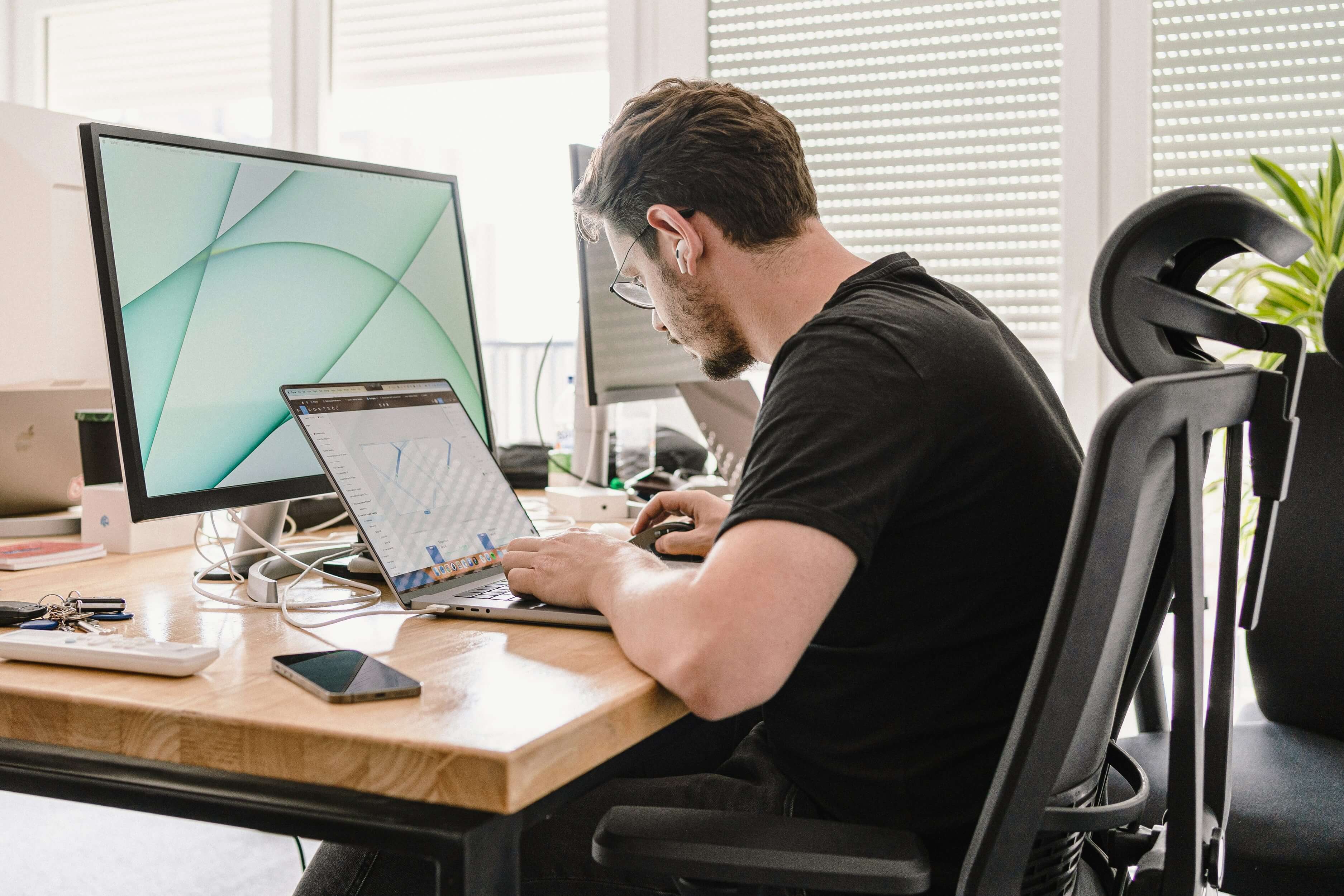
We were never designed to sit for eight, ten, or twelve hours a day. Yet for millions of people — office workers, students, drivers, remote workers — that's exactly what a normal day looks like. And while it feels harmless, the science is increasingly clear: prolonged sitting is doing serious damage, even to people who exercise regularly.
Researchers have started calling it "the sitting disease." And the name is not an exaggeration.
Your circulation slows down almost immediately.
When you sit for long periods, blood flow — particularly in your legs — slows significantly. This allows blood to pool, increases the risk of clots, and puts extra pressure on your veins. Deep vein thrombosis, a dangerous blood clot condition, is directly linked to prolonged sitting. Even on a smaller scale, poor circulation from sitting too long leaves you feeling heavy, stiff, and mentally foggy within just a couple of hours.
Your metabolism essentially switches off.
Within 90 minutes of sitting, the enzyme responsible for breaking down fat — lipoprotein lipase — drops by up to 90%. This means your body almost completely stops processing fat while you're seated. Your blood sugar regulation also becomes less efficient. Over time, this metabolic slowdown contributes significantly to weight gain, insulin resistance, and an elevated risk of type 2 diabetes — regardless of what you eat or how often you go to the gym.
Your spine and posture pay a heavy price.
The human spine is designed for movement, not static compression. Sitting — especially with poor posture — places enormous pressure on your lumbar discs, far more than standing or walking. Over time, this leads to chronic lower back pain, tight hip flexors, weakened core muscles, and a rounded upper back that becomes increasingly difficult to correct. The discomfort many people feel as "just getting older" is often simply the accumulated result of years of sitting.
Your heart quietly weakens.
Studies show that people who sit for more than 8 hours a day have a significantly higher risk of cardiovascular disease — comparable in some research to the risks associated with smoking. Sitting reduces the efficiency of your heart and lowers your levels of HDL, the "good" cholesterol that protects your arteries. What makes this particularly alarming is that a single gym session, while valuable, does not fully undo a full day of sitting. You can't out-exercise a sedentary lifestyle.
Your mental health takes a hit too.
Movement is one of the most powerful natural antidepressants available to us. When you sit all day without breaks, dopamine and serotonin production slows. Studies link prolonged sitting to higher rates of anxiety, depression, and general low mood — independent of other lifestyle factors. That mid-afternoon restlessness or emotional flatness you feel after hours at a desk isn't just boredom. It's your nervous system signaling that it desperately needs movement.
What actually helps:
The solution isn't dramatic — it's consistent. You don't need a standing desk or a gym membership. Research shows that simply breaking up sitting time every 30 minutes with even 2–3 minutes of light movement — standing, walking to get water, stretching — dramatically reduces the negative effects. Set a timer. Stand up during phone calls. Take the long route to the bathroom. Walk during lunch.
The goal is to make stillness the exception, not the default.
Small, frequent movement is far more powerful than you think — and your body responds quickly when you give it what it was built for.
Practical Tip: Set a timer on your phone for every 30 minutes while you work. When it goes off, stand up, take 10 steps, roll your shoulders, and take three deep breaths. It takes under 60 seconds — and over the course of a day, those micro-breaks add up to a genuinely significant difference in your energy, posture, and long-term health.