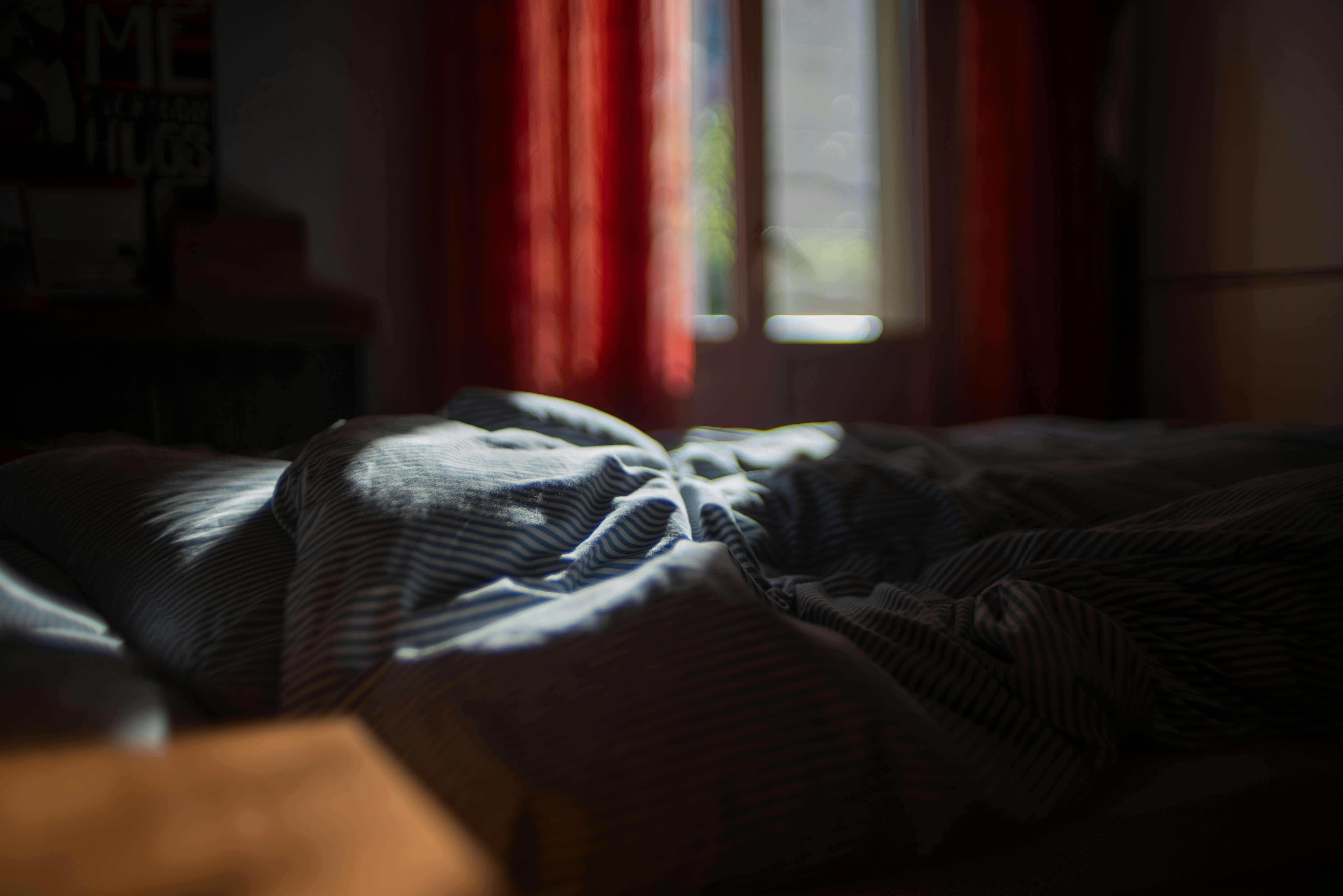
You lie in bed wide awake at midnight, staring at the ceiling. You finally fall asleep at 2am. Your alarm goes off at 7am and you drag yourself through the day running on empty, surviving on coffee, counting the hours until you can sleep again. Then you go to bed exhausted — and the whole cycle repeats.
Sound familiar? You're not alone. Disrupted sleep schedules have become one of the defining health problems of modern life — affecting mood, cognition, metabolism, immune function, and long-term disease risk in ways that rival almost any other lifestyle factor.
The good news — and this is genuinely good news — is that your sleep schedule is not fixed. It is not a character trait. It is not something you're stuck with. It is a biological rhythm that can be deliberately, systematically reset — without sleeping pills, without supplements, and without overhauling your entire life. But it requires understanding the system first.
Your body runs on an internal clock — and most people are fighting it.
Every cell in your body contains a molecular clock synchronized to a roughly 24-hour cycle called the circadian rhythm. This clock governs when you feel alert and when you feel sleepy, when your body temperature rises and falls, when cortisol peaks and drops, when melatonin is released, and when dozens of other physiological processes run at their optimal levels.
Your circadian rhythm is primarily set — and reset — by light. Specifically, by the presence or absence of short-wavelength blue light, detected by specialized photoreceptors in the eye called intrinsically photosensitive retinal ganglion cells. When these cells detect light — particularly in the morning — they send a direct signal to the brain's master clock, the suprachiasmatic nucleus, which then cascades that timing signal to every organ and system in the body.
When this system works as designed, you feel naturally alert in the morning, energized through the day, and progressively sleepy in the evening as melatonin rises. When it's disrupted — by irregular schedules, artificial light at night, insufficient morning light, shift work, jet lag, or the slow drift of staying up later and later — the cascade breaks down. Your internal clock and your actual schedule fall out of sync. And the result is exactly what millions of people experience every night: lying awake when they should be sleeping, and feeling exhausted when they should feel alert.
The fix is not sedation. The fix is resetting the clock.
The single most powerful thing you can do: morning light, immediately.
If there is one intervention that sleep scientists consistently rank above all others for circadian rhythm reset, it is this: get bright natural light into your eyes within the first 30 to 60 minutes of waking up, every single day.
This is not about glancing at a bright window. It is about being outside — or at minimum near an open window with genuine outdoor light — for 10 to 20 minutes. On a clear day, outdoor light delivers 10,000 to 100,000 lux of light intensity. A typical indoor environment delivers 100 to 500 lux. The difference is enormous — and your photoreceptors cannot be fooled by indoor lighting, no matter how bright the bulb.
Morning light sets your circadian anchor. It tells your master clock exactly what time it is. And critically, it sets a timer — roughly 12 to 16 hours later, your brain will begin releasing melatonin and initiating the sleep process, almost automatically. No morning light means no clear anchor. No anchor means the clock drifts. A drifting clock is why you can't fall asleep at a reasonable hour no matter how tired you are.
This single habit — morning light exposure — is the foundation on which every other sleep fix rests. Nothing else works as reliably without it.
The second most important lever: a fixed wake time, non-negotiable.
Your sleep schedule will never stabilize if your wake time varies. Sleeping in on weekends, staying in bed when you don't sleep well, or shifting your alarm by 90 minutes depending on how you feel — all of these keep your circadian rhythm permanently unstable. Your internal clock cannot anchor to a moving target.
The most evidence-backed approach to fixing a broken sleep schedule is this: choose a fixed wake time and protect it like an appointment you cannot miss — including weekends, including nights when you slept poorly, including mornings when every cell in your body wants to stay in bed.
This feels brutal in the early days. It is supposed to. You are imposing a schedule on a clock that has lost its reference point. The discomfort is the correction working. Within five to seven days of consistent wake times combined with morning light exposure, most people notice a meaningful shift in how quickly they fall asleep and how alert they feel in the morning.
Sleep pressure — your body's natural sleep drive — and how to use it.
Your brain maintains a chemical called adenosine — a sleep pressure compound that accumulates in your brain from the moment you wake up. The longer you've been awake, the more adenosine builds, and the stronger your drive to sleep becomes. This is why you feel sleepier as the day progresses and why pulling an all-nighter makes you feel utterly wrecked the next day.
Caffeine works by blocking adenosine receptors — which is why coffee makes you feel alert. But this is borrowed wakefulness, not created wakefulness. The adenosine continues accumulating behind the blockade. When the caffeine clears, it hits all at once — the classic early afternoon crash that sends people reaching for a second or third cup.
Two things destroy your sleep pressure in ways that make fixing your schedule much harder. The first is napping — particularly long naps or naps taken after 3pm, which discharge enough adenosine to make falling asleep at night genuinely difficult. While short naps of 20 minutes or less can be beneficial for alertness, they should be used strategically rather than as daily compensation for poor nighttime sleep.
The second is lying in bed awake. Every minute you spend in bed unable to sleep subtly trains your brain to associate the bed with wakefulness — the opposite of what you need. Sleep scientists call this conditioned arousal, and it's one of the most common drivers of chronic insomnia. The fix: if you've been awake for more than 20 minutes and sleep isn't coming, get up. Do something quiet and calming in low light — read, stretch, breathe — and return to bed only when you feel genuinely sleepy. This feels counterproductive. It is one of the most effective behavioral interventions for insomnia that exists.
Light at night — the most underestimated sleep disruptor of the modern age.
Your circadian system evolved in an environment where there was no bright light after sunset. The appearance of light after dark is, to your brain's master clock, a signal that it's still daytime — and it responds by suppressing melatonin, delaying the onset of sleep, and shifting your entire circadian phase later.
The primary offenders are smartphones, tablets, computers, and televisions — all of which emit significant amounts of short-wavelength blue light directly into your eyes at close range. The effect is not subtle. Studies show that two hours of evening screen exposure can suppress melatonin production by up to 23% and delay sleep onset by up to 90 minutes. Every night. Cumulatively, over weeks and months, this light exposure is one of the primary drivers of the chronic sleep phase delay that plagues modern populations.
The practical interventions are straightforward. Dim all lights in your home in the two hours before bed — bright overhead lighting is particularly disruptive. Use warm, amber-toned lighting in the evening rather than cool white or daylight-spectrum bulbs. Enable night mode on all screens. Consider blue-light blocking glasses in the evening if screen avoidance isn't realistic. And if possible, put your phone in another room for the 30 minutes before sleep — not just face down on your nightstand, but genuinely out of reach.
Temperature — the underrated sleep switch.
Your body needs to drop its core temperature by approximately 1 to 1.5 degrees Celsius to initiate and maintain deep sleep. This is why most people sleep better in a cool room — the environmental temperature facilitates the drop in core body temperature that sleep requires.
The optimal sleep environment temperature for most people is between 16 and 19 degrees Celsius (60 to 67 degrees Fahrenheit). Rooms that are too warm — a common problem in summer, or with heavy duvets — prevent the temperature drop, reduce deep sleep, and increase nighttime waking. A cool, dark, quiet room is not a luxury. It is a physiological requirement.
A warm shower or bath 60 to 90 minutes before bed is one of the most underrated sleep interventions available. Paradoxically, warming your skin surface causes your body to dissipate heat more efficiently, dropping your core temperature faster than it would otherwise — accelerating the transition into sleep. The data on this is remarkably consistent, with studies showing it reduces the time to fall asleep by an average of 10 minutes and improves overall sleep quality.
Consistency is the architecture of good sleep.
Every piece of advice above works better the more consistently it's applied — and the most common reason people fail to fix their sleep schedule is not that the interventions don't work, but that they're applied sporadically. One night of early bedtime followed by two nights of 1am scrolling resets nothing. The circadian rhythm doesn't respond to occasional good decisions. It responds to consistent patterns.
This is where building a genuine pre-sleep ritual — and tracking it — becomes the difference between good intentions and actual change. A consistent sequence of calming actions in the 30 to 60 minutes before bed: dimming lights, putting the phone down, a warm shower, a few minutes of gentle stretching or breathing — signals to your nervous system that sleep is approaching and begins the physiological wind-down process before you even get into bed.
And this is precisely where Rhythm becomes a natural, genuinely valuable part of the solution. Rhythm's Daily Ritual system was built for exactly this kind of structured habit architecture. You can design your entire sleep preparation routine as a set of daily rituals — morning light ✓, consistent wake time ✓, no screens 30 minutes before bed ✓, evening stretch ✓, warm shower ✓ — and track your streak day by day.
What makes this powerful is the same neuroscience discussed in our habit-building article: seeing your streak grow creates anticipatory dopamine that pulls you toward the routine rather than pushing you. Your streak of good sleep nights becomes something worth protecting. The Streak Freeze feature means that one difficult night doesn't erase your progress. And the XP and badge progression system gives your brain the long-arc reward anchors that keep motivation alive long after the initial enthusiasm of starting a new routine has faded.
Sleep isn't just one habit. It's a collection of daily signals you send your body — and Rhythm was built to help you send them consistently, every single day.
What about melatonin?
Melatonin supplements deserve a brief note. Melatonin is not a sleeping pill — it is a timing signal. It does not generate sleep directly; it tells your brain what time of night it is. Low-dose melatonin (0.5 to 1mg) taken 30 to 60 minutes before your target bedtime can be genuinely useful for resetting a shifted circadian rhythm — particularly for jet lag or shift work. High doses (5 to 10mg, which are commonly sold) are generally unnecessary and can cause next-day grogginess. Used correctly and briefly, melatonin is a tool. Used as a nightly substitute for good sleep habits, it addresses the symptom while the underlying circadian disruption continues unchanged.
The complete sleep schedule reset protocol — in plain terms:
Fix your wake time first. Every morning, same time, including weekends. Get outside within 30 minutes of waking for 10 to 20 minutes of natural light — no sunglasses if the light is gentle. Avoid caffeine after 1pm. Eat your last large meal at least 2 to 3 hours before bed. Dim your lights and reduce screen exposure in the two hours before bed. Keep your bedroom cool, dark, and quiet. Build a consistent pre-sleep ritual. Get out of bed if you're awake for more than 20 minutes. And track all of it — because what gets tracked gets done, and what gets done consistently becomes automatic.
Within two weeks of applying these principles consistently, most people experience a meaningful shift in how quickly they fall asleep, how deeply they sleep, and how they feel when the alarm goes off. Within a month, the new schedule feels natural — because it has become the new baseline your circadian clock is anchored to.
Your body wants to sleep well. It just needs you to work with it instead of against it.
Practical Tip: Tomorrow morning, set one alarm — the same time you want to wake up every day — and when it goes off, go outside immediately for 10 minutes. Don't check your phone first. Don't make coffee first. Light first. Do this for seven consecutive mornings and notice the shift in how you feel by day five. Then build your full sleep ritual in Rhythm — morning light, consistent wake time, evening wind-down — and let your streak do the work of keeping you accountable night after night.