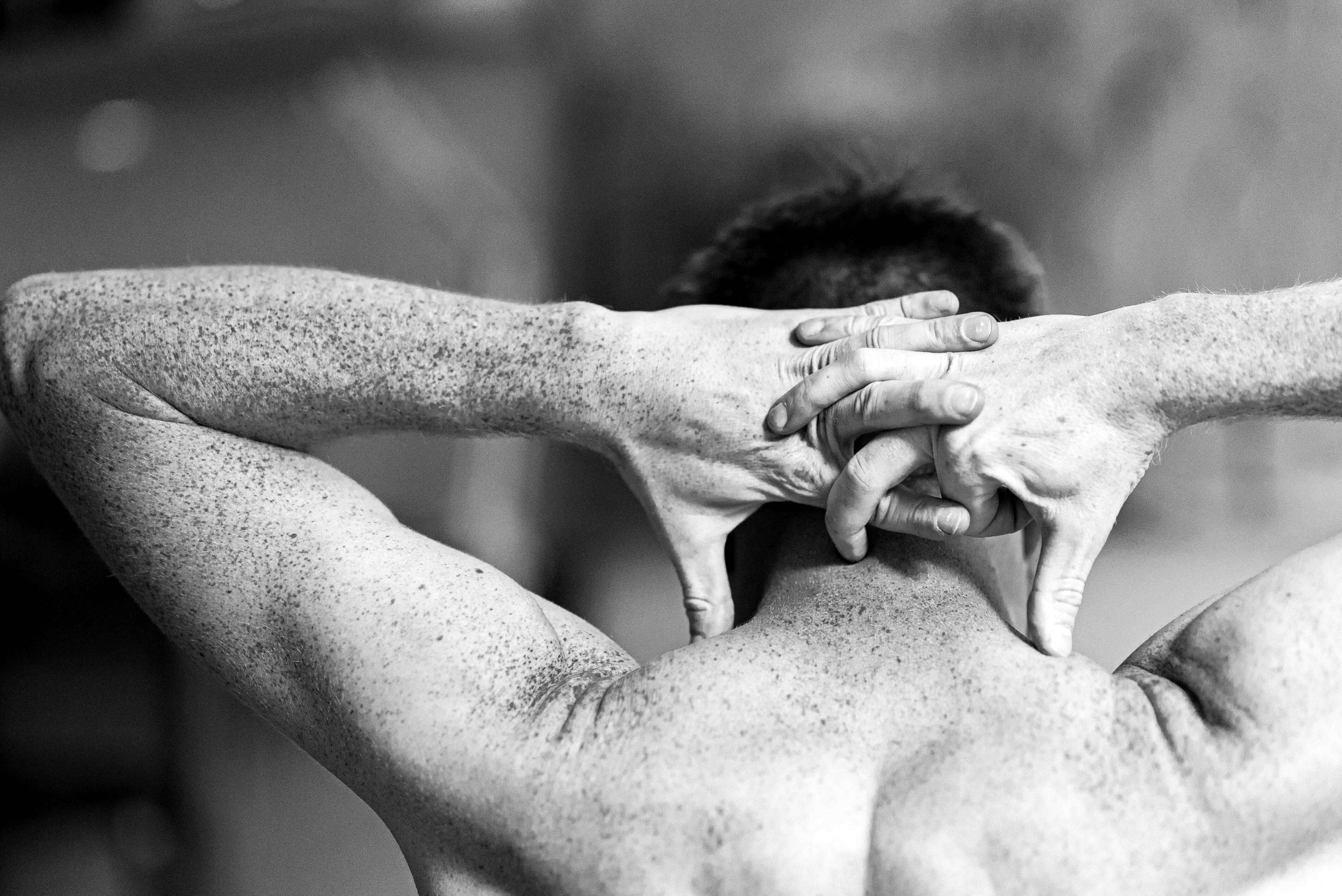
Back pain is one of the most universal human experiences of the modern age. It's the leading cause of disability worldwide. It costs more in lost productivity, medical visits, and medication than almost any other condition. And yet the vast majority of people who suffer from it are told the same unhelpful things: rest more, take painkillers, and be careful. None of which addresses what's actually causing it.
The truth about back pain is both more complicated and more hopeful than most people realize. In most cases — around 90% — it has no serious structural cause. No slipped disc. No fracture. No disease. It is, at its core, a pain system problem — and pain systems respond extraordinarily well to the right inputs. Which means most back pain is not only treatable but genuinely reversible, without surgery, without long-term medication, and without giving up the activities you love.
But first, you need to understand what's actually driving it.
The biggest cause most people never consider: too much stillness.
There is a deeply ingrained belief that if your back hurts, you should rest it. Move less. Be careful. Protect it. This advice, however well-intentioned, is often the single worst thing you can do — and the research on this is unambiguous.
Your spine is not fragile. It is a dynamic, load-bearing structure designed for movement. The discs between your vertebrae — the cushioning pads that people often blame for back pain — don't have a direct blood supply. They receive oxygen and nutrients through a process called imbibition — a pumping mechanism that only works through movement. When you sit still for hours, your discs are literally being starved of the nutrition they need to stay healthy.
Prolonged sitting also creates a predictable cascade of muscular dysfunction. Your hip flexors — the muscles connecting your hips to your spine — shorten and tighten. Your glutes — the primary stabilizers of your pelvis and lower spine — switch off and weaken. Your deep core muscles, which act as a natural corset for your spine, disengage. And your hamstrings, shortened by hours of sitting, pull relentlessly on your pelvis, rotating it forward and exaggerating the lumbar curve.
The result of all this is a spine that is simultaneously under-supported, under-nourished, and under excessive mechanical load — the perfect recipe for pain.
The role of posture — more nuanced than you think.
Poor posture contributes to back pain — but not in the simple, straightforward way most people imagine. It's rarely about one "bad" position. It's about staying in any position for too long without variation. Even a perfectly ergonomic seated position becomes damaging when held for four, six, or eight hours without movement.
The concept of a "neutral spine" is useful — a gentle S-curve where the natural curves of the cervical, thoracic, and lumbar regions are preserved. But chasing perfect posture every second of the day is both exhausting and counterproductive. What actually matters is variability — changing positions frequently, interspersing sitting with standing, walking, and stretching, so that no single set of muscles and structures bears the load indefinitely.
Think of it this way: the best posture is your next posture. Movement is the medicine.
Weak core muscles — and why sit-ups aren't the answer.
When people hear "strengthen your core," they immediately think of sit-ups and crunches. But for back health, traditional sit-ups are not only ineffective — they actively increase compression on lumbar discs and can worsen pain in people who already have disc issues.
The core muscles that actually protect your spine are deep, stabilizing muscles — the transverse abdominis, the multifidus, the pelvic floor, and the diaphragm — that work not by moving the spine but by stiffening and stabilizing it under load. These muscles are best trained through exercises like dead bugs, bird dogs, planks, and glute bridges — all of which build functional spinal stability without the harmful compression of traditional crunches.
Weak glutes are equally implicated in most lower back pain. Your glutes are the largest and most powerful muscles in your body — and when they're weak and inactive from too much sitting, your lower back compensates by overworking. Strengthening your glutes through hip hinges, bridges, and squats often produces dramatic improvements in lower back pain that no amount of back-specific stretching alone can achieve.
The psychological dimension of back pain — and why it matters enormously.
This is the part of back pain science that surprises most people — and that the medical system is still catching up to. Pain is not simply a signal of tissue damage. Pain is a protective output of the brain — generated when the brain concludes that the body is under threat and that behavior needs to change.
This means that chronic back pain — pain that has persisted for more than three months — is often maintained not just by physical factors but by psychological ones: fear of movement, catastrophizing thoughts ("this pain means something is seriously wrong"), hypervigilance to sensations in the back, stress, anxiety, poor sleep, and a loss of confidence in the body's ability to heal.
The research on this is now robust. Studies consistently show that people who understand that their back pain is not a sign of serious structural damage, who gradually return to normal movement without fear, and who address the psychological components of their pain alongside the physical ones, recover significantly faster and more completely than those who rest, avoid movement, and focus exclusively on finding the physical source of the pain.
This is not saying the pain is "in your head." It is saying that the brain and body are not separate systems — and treating only one while ignoring the other is why so many people remain stuck in chronic pain cycles for years.
Simple fixes that actually work — backed by evidence:
- Move more, every 30 minutes without exception. Set a timer. Every 30 minutes, stand up, walk for two minutes, and do a few gentle movements. This alone — applied consistently — is one of the most evidence-backed interventions for both preventing and reducing chronic back pain. It re-nourishes the discs, resets muscular tone, and interrupts the pain-promoting effects of prolonged stillness.
- Strengthen your glutes and deep core daily. Glute bridges: lie on your back, feet flat on the floor, push your hips toward the ceiling and hold for two seconds. Bird dogs: on hands and knees, extend opposite arm and leg simultaneously while keeping your spine neutral. Dead bugs: lie on your back, arms pointing to the ceiling, lower opposite arm and leg toward the floor while keeping your lower back pressed down. Five to ten minutes of these exercises daily builds the functional stability your spine depends on.
- Stretch your hip flexors every single day. The kneeling hip flexor stretch — one knee on the ground, opposite foot forward, gently pushing your hips forward until you feel a pull at the front of the back hip — is one of the single most effective interventions for lower back pain caused by prolonged sitting. Hold for 30 seconds per side, twice daily. The improvement in lower back tension is often noticeable within a week.
- Walk. Every day. Walking is one of the best things you can do for your back. It combines gentle spinal loading, rhythmic muscular activation, and the disc nourishment that comes from movement — all simultaneously. A 20-30 minute walk daily does more for most people's back pain than any passive treatment. It also reduces the fear-avoidance cycle by demonstrating to your brain that movement is safe.
- Improve your sleep position. Back pain and sleep have a bidirectional relationship — poor sleep worsens pain sensitivity, and pain disrupts sleep. Sleeping on your side with a pillow between your knees keeps the spine aligned and reduces pressure on the lumbar region. If you sleep on your back, a pillow under your knees achieves the same effect. Stomach sleeping, particularly with the head turned to one side, is the most mechanically stressful position for the spine and is worth changing if possible.
- Address the stress piece. Chronic stress increases muscle tension throughout the body — particularly in the back, neck, and shoulders — and directly lowers your pain threshold, meaning the same physical stimulus feels more painful when you're stressed. Stress management is not a soft, optional add-on to back pain treatment. It is a core component. Breathing exercises, regular movement, good sleep, and meaningful daily structure all reduce the stress load that amplifies back pain.
Making the habits stick — where Rhythm fits in naturally.
Here's the honest challenge with everything described above: none of it is complicated. All of it works. And almost none of it gets done consistently, because life gets in the way and good intentions don't survive without structure.
This is where Rhythm becomes a genuinely practical ally in your back health journey. Rhythm's Daily Ritual system is designed exactly for this kind of multi-habit maintenance — you can build a simple daily back care ritual directly into the app: morning stretch ✓, glute bridge set ✓, 30-minute movement break ✓, evening hip flexor stretch ✓. Each tap is a vote for the identity of someone who takes care of their spine. Each completed day builds your streak. Each streak day makes the next one easier.
The step tracker and Exploration Session features also quietly reinforce the most important back-health habit of all — daily walking. Watching your step count build through the day, or mapping a walk route and seeing it traced on the screen, turns an abstract health recommendation into something visible, satisfying, and worth repeating. When movement feels like progress rather than a chore, you do more of it — and your back notices.
Practical Tip: Start today with this three-minute back reset: stand up from wherever you're sitting right now, do ten slow glute bridges on the floor, hold a kneeling hip flexor stretch for 30 seconds on each side, then take a five-minute walk. That's it. Three minutes of targeted movement addresses the three biggest physical contributors to back pain simultaneously. Do it every morning and every evening for two weeks — and add it as a daily ritual in Rhythm so your streak holds you accountable. The results will speak for themselves.