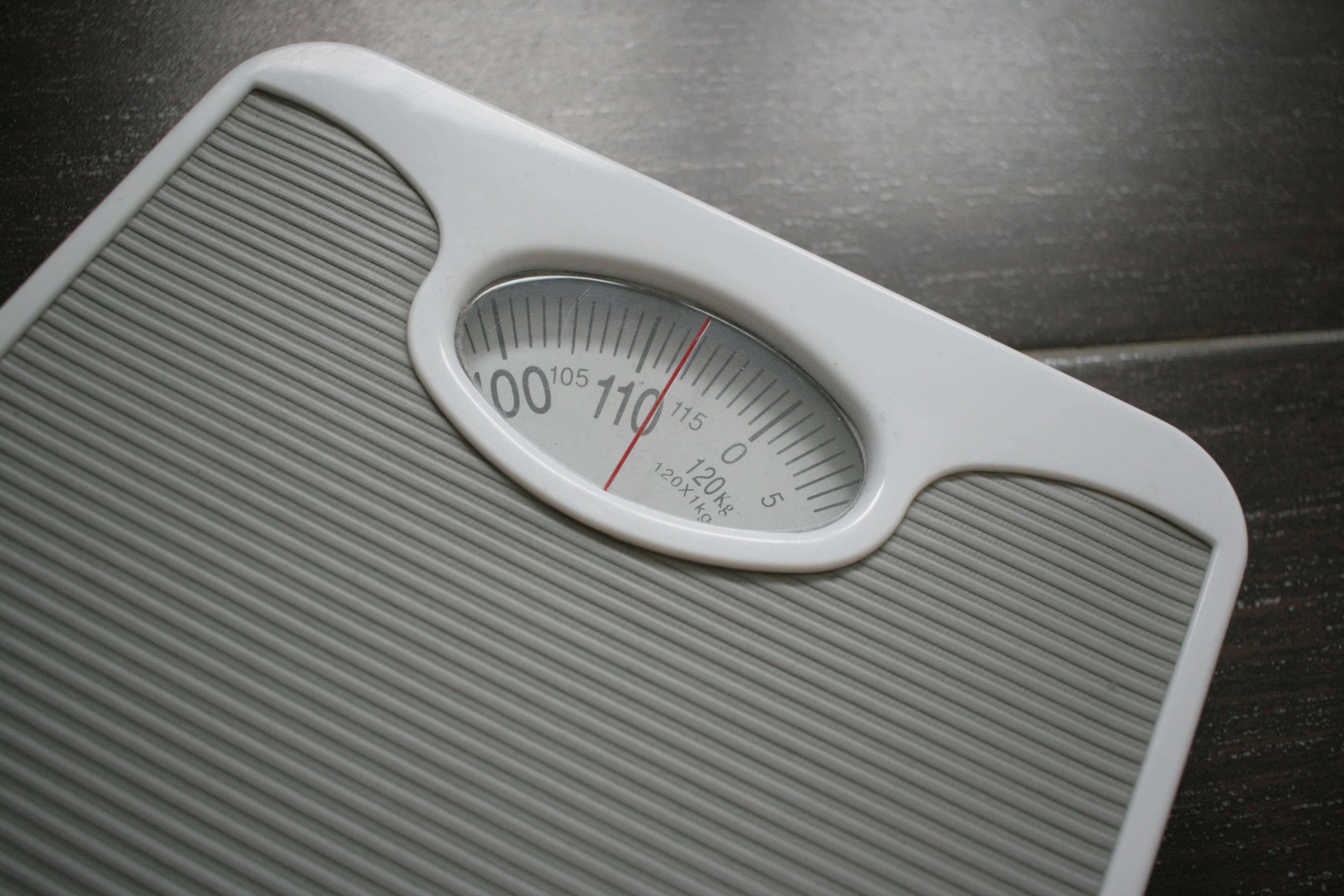
Have you ever stepped on the scale and noticed your weight changed overnight? It can feel frustrating—but daily weight fluctuations are completely normal.
Your body weight can shift by 0.5 to 2 kilograms (1–4 pounds) in a short time, often without any real fat gain or loss. Most of these changes are due to water, not body fat.
For example, eating salty foods can cause your body to retain water. Eating more carbohydrates than usual can also increase stored water. Hormonal changes—especially during the menstrual cycle—can temporarily increase weight due to fluid retention.
Digestion plays a role too. If you haven’t had a bowel movement yet, or you ate a larger meal the night before, the number on the scale may be slightly higher.
Exercise can also affect weight temporarily. Intense workouts may cause mild inflammation in muscles, which can hold extra water while your body recovers.
This is why weighing yourself at different times of the day can give different results. Morning weight after using the bathroom is usually more consistent than evening weight.
Instead of focusing on daily numbers, look at longer-term trends over weeks. Your habits matter more than one reading.
Healthy weight management is about balanced meals, regular movement, good sleep, and stress control—not chasing small daily changes on the scale.
Practical takeaway: If you track your weight, weigh yourself at the same time of day and focus on weekly patterns—not daily ups and downs.