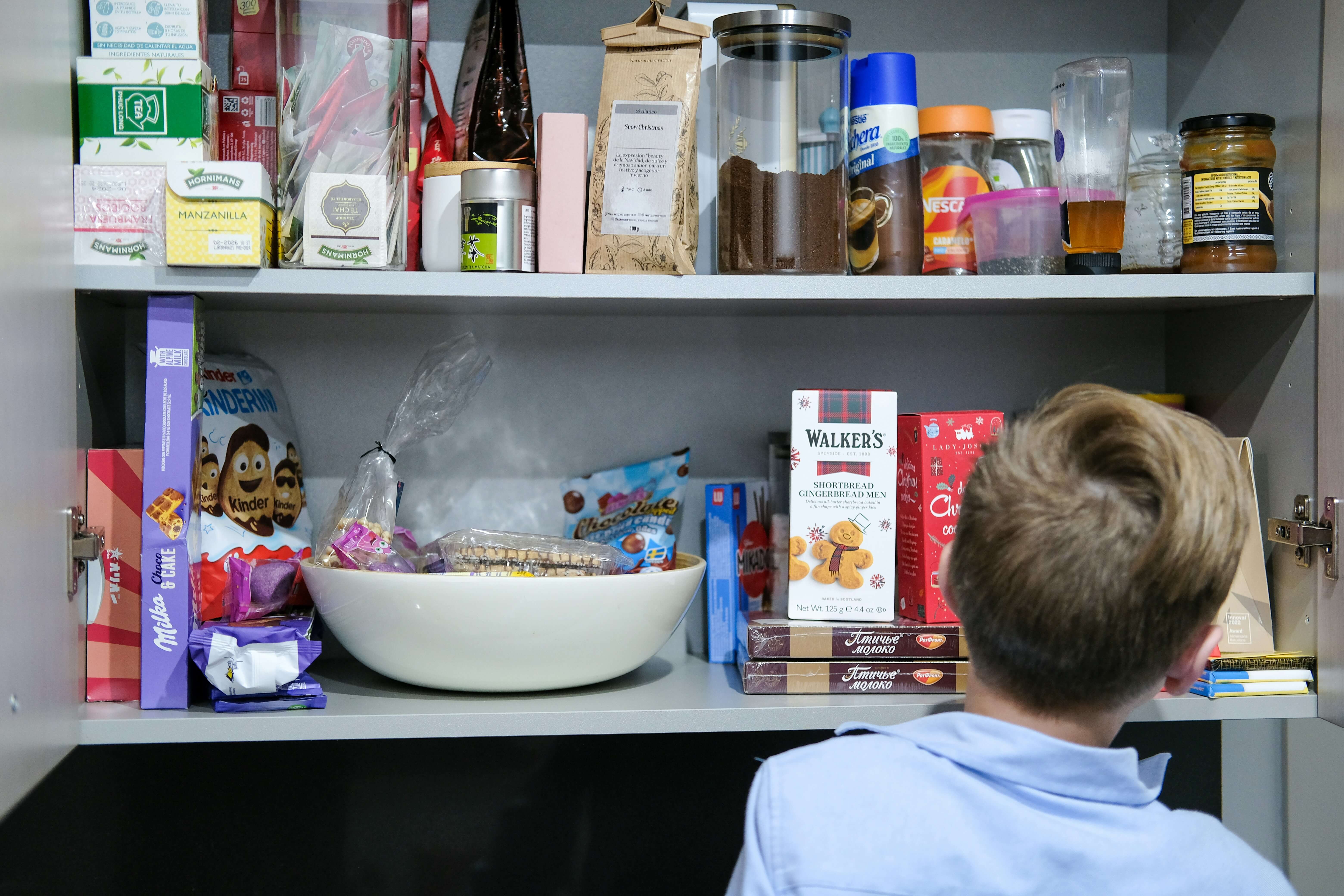
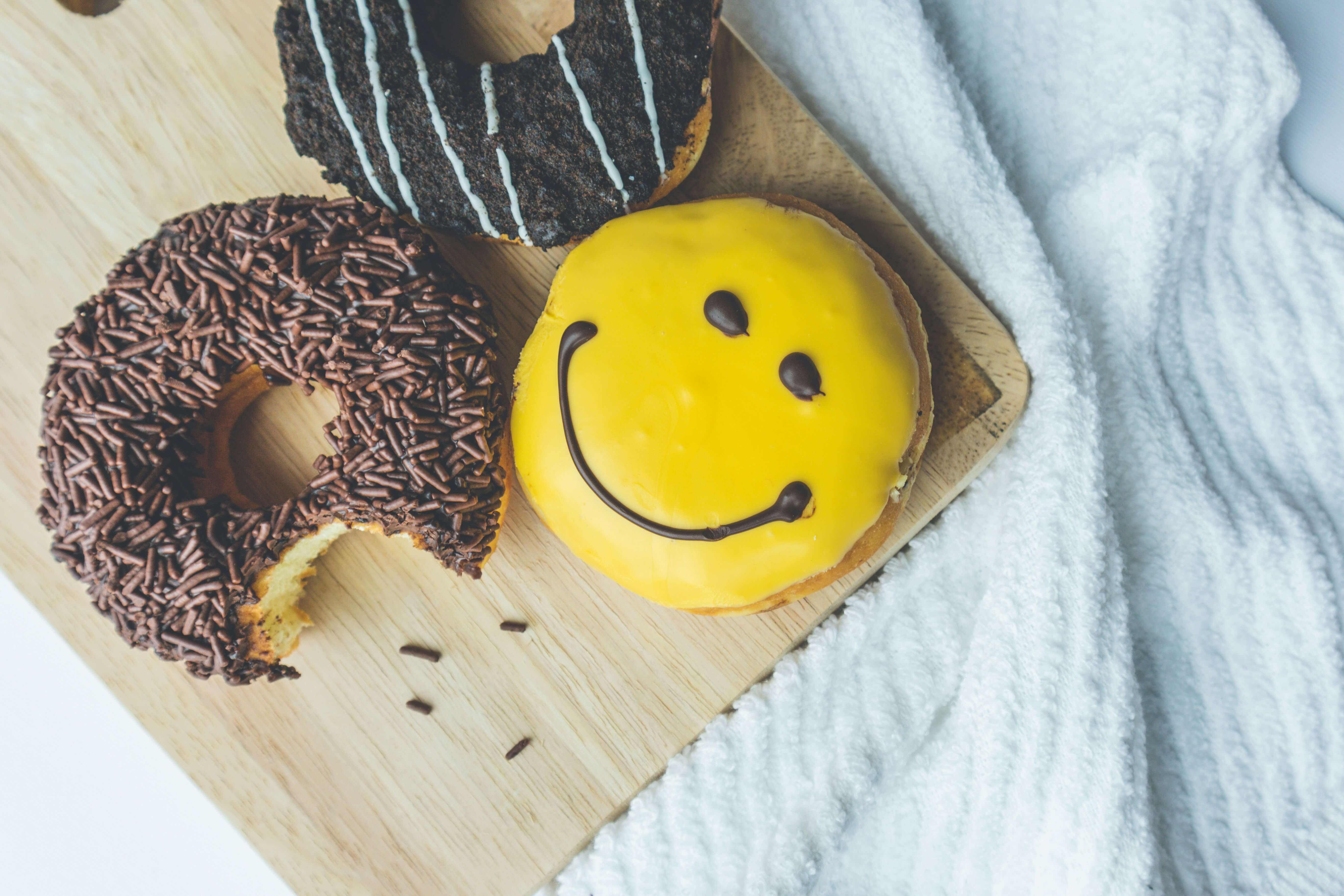
Have you ever noticed that your food choices change depending on how you feel? On stressful days, you might crave sweets or fast food. On calmer days, healthier meals may feel easier to choose.
This happens because emotions and eating habits are closely connected. When you feel stressed, anxious, bored, or even lonely, your brain sometimes looks for food as a quick way to feel better.
Certain foods, especially those high in sugar or fat, can temporarily boost mood by triggering feel-good chemicals in the brain. This is why people often reach for snacks during emotional moments.
However, emotional eating usually doesn’t come from physical hunger. It often appears suddenly and involves strong cravings for specific foods. After eating, the emotional situation may still be there.
This doesn’t mean emotional eating is “bad.” Almost everyone experiences it sometimes. The key is becoming more aware of it.
A simple way to start is by pausing before eating and asking yourself how you feel. If your hunger is physical, your body will likely accept many types of food. But if it’s emotional, you may notice a craving for one particular comfort food.
Learning this difference helps you respond to your emotions in healthier ways — like taking a short walk, talking to someone, or simply resting.
Practical Tip:
Before reaching for a snack, take a moment and ask yourself: “Am I hungry, or am I feeling something else?”