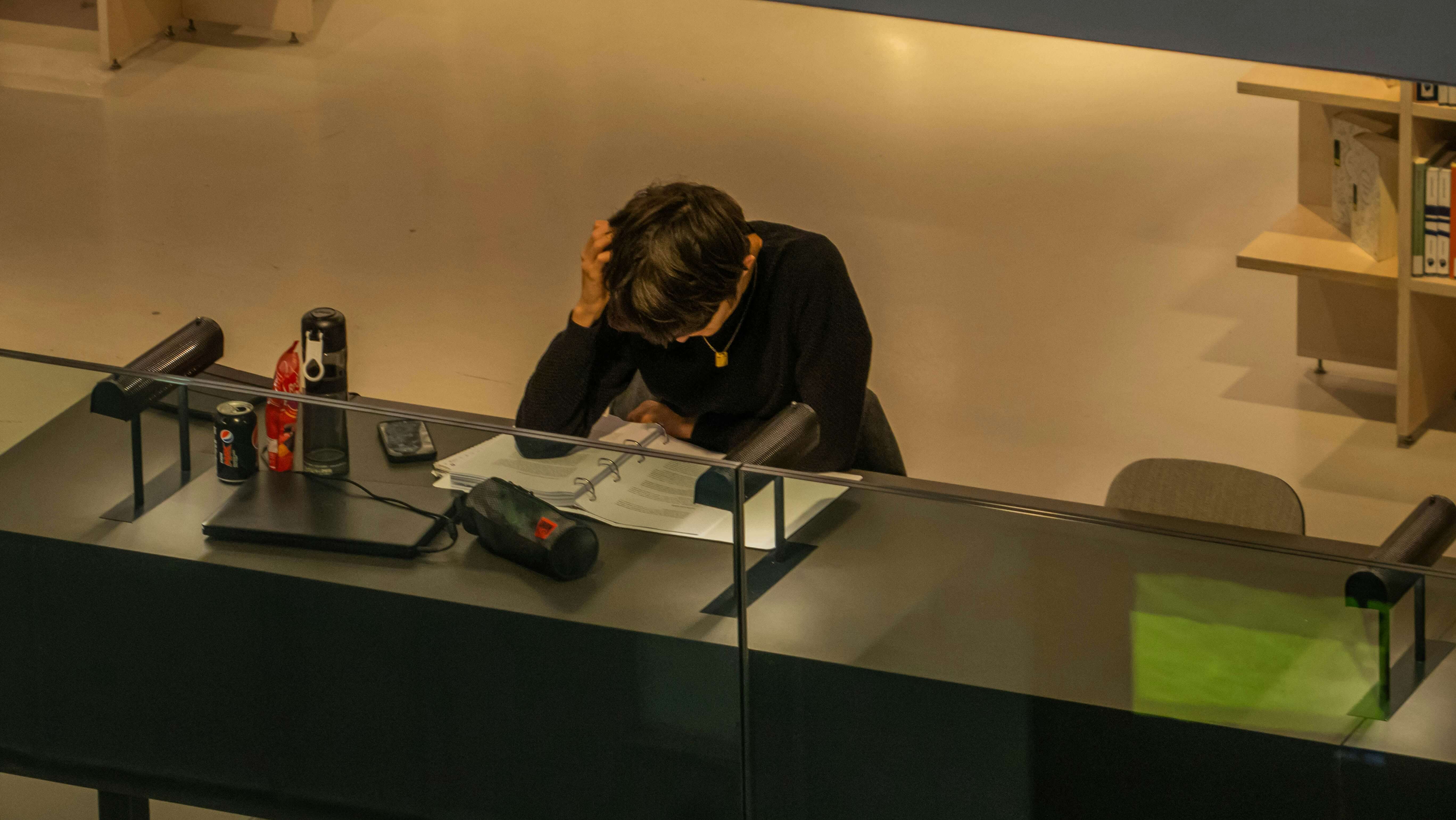
You went to bed on time. You got your full 8 hours. But when the alarm rings, you still feel like you barely slept.
Sound familiar?
The truth is, sleep is not just about how long you sleep — it’s about how well you sleep.
One common reason is broken sleep. Even small interruptions — checking your phone, noise, stress dreams — can stop your body from reaching deep, restorative sleep. You might not remember waking up, but your brain does.
Stress is another big factor. If you go to bed thinking about work deadlines or family worries, your body stays slightly “on alert.” You’re technically asleep, but not fully relaxed.
Your evening habits matter too. Late caffeine, heavy dinners, scrolling in bed, or watching intense shows can all affect sleep quality.
And sometimes, tiredness isn’t only about sleep. Dehydration, low iron, lack of movement, or too much sitting during the day can leave you feeling sluggish.
Ask yourself:
- Did I move my body yesterday?
- Did I get daylight?
- Did I unwind before bed?
Small changes can make a big difference:
- Stop screens 30–60 minutes before sleep.
- Keep a regular sleep and wake time (even on weekends).
- Get morning sunlight within the first hour of waking.
If you feel constantly exhausted despite good habits, it’s worth speaking to a healthcare professional.
Practical takeaway: Tonight, choose one upgrade — dim the lights earlier, skip late scrolling, or take a 10-minute walk tomorrow morning. Quality beats quantity.