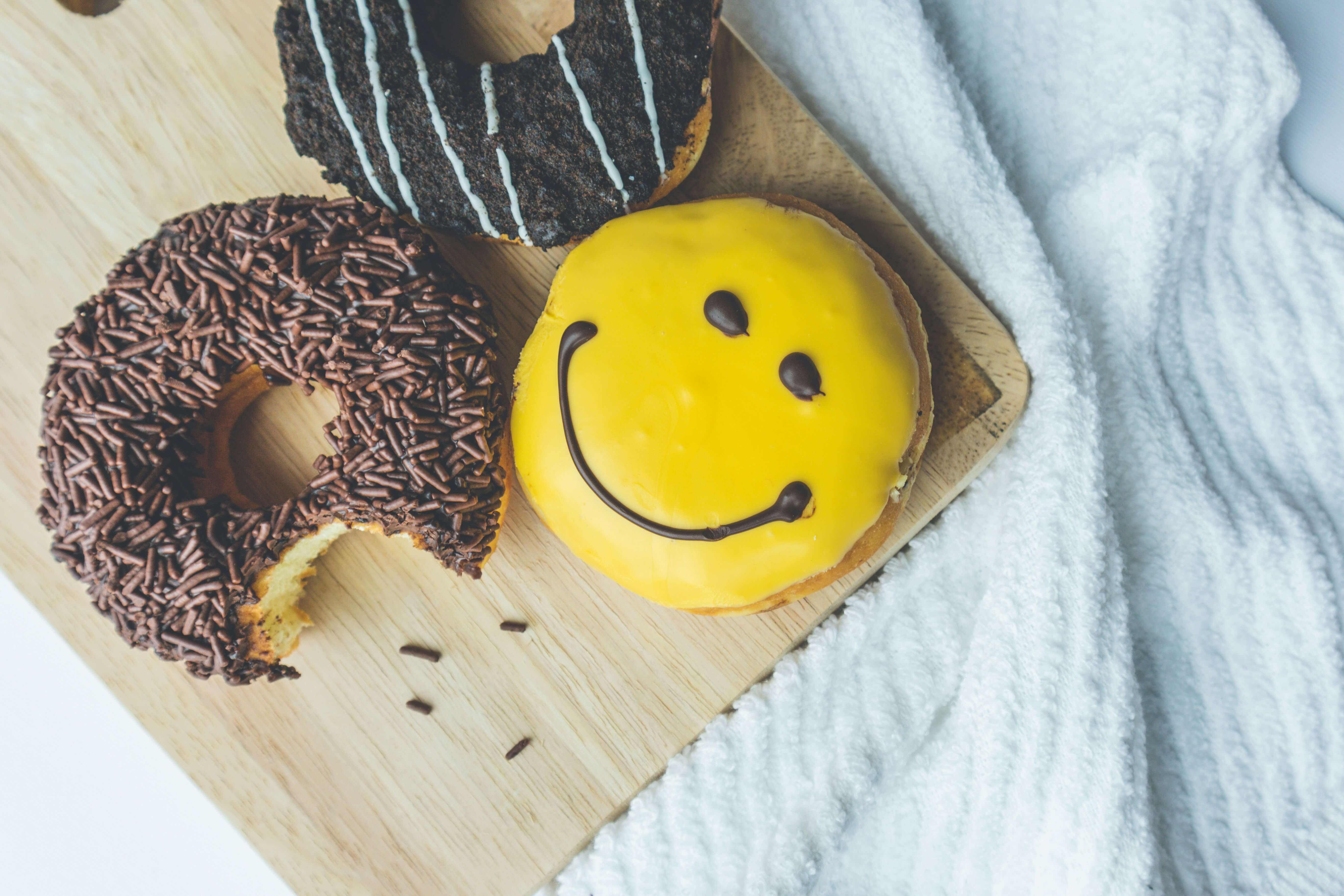
After a stressful day, many people find themselves standing in front of the fridge or reaching for snacks without really thinking about it. You might tell yourself, "I deserve this after today." This is a very common example of emotional eating.
Emotional eating happens when we eat to deal with feelings rather than physical hunger. Stress, frustration, exhaustion, or even boredom can trigger it. For example, someone might finish a difficult workday, sit on the couch, and start eating chips or sweets while scrolling on their phone. The food becomes a quick comfort.
The problem isn''t the occasional treat. It''s when this pattern becomes automatic. When stress leads to eating regularly, it can slowly disconnect you from your body''s natural hunger and fullness signals.
Stress also affects hormones in the body. When you''re under pressure, your body releases cortisol, which can increase cravings—especially for sugary or high-fat foods. That''s why after a tough day, healthy options like fruit may feel less appealing than cookies or fast food.
A helpful first step is simply pausing before eating. Ask yourself a small question: "Am I actually hungry, or am I just tired or stressed?"
If the feeling is stress rather than hunger, try another quick relief first—take a short walk, drink a glass of water, or step outside for fresh air. Often, the urge to snack passes after a few minutes.
Practical takeaway: After a stressful day, try the "10-minute pause." Before grabbing a snack, wait ten minutes and do something relaxing. If you''re still hungry afterward, enjoy a snack slowly and without guilt.