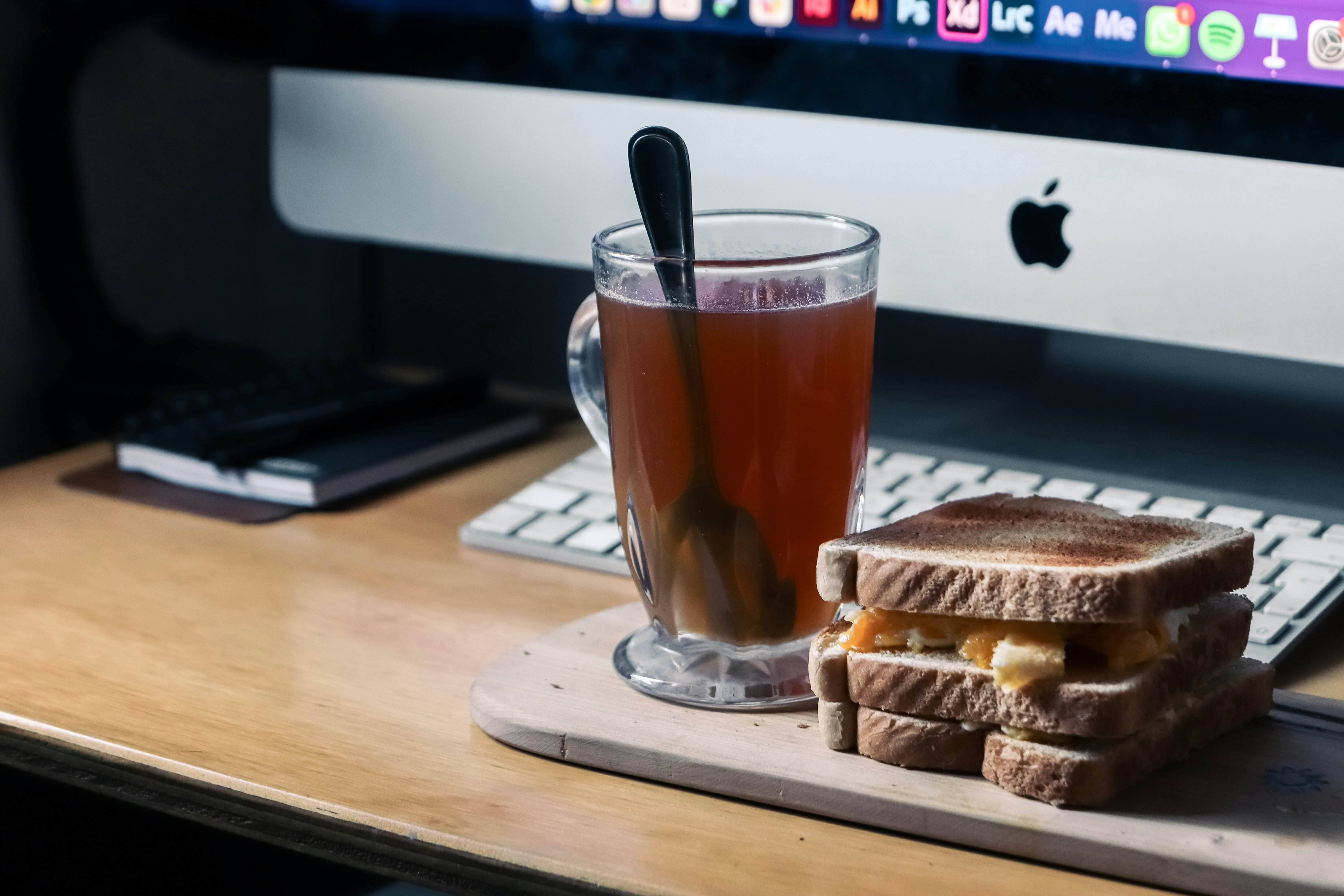
Have you ever found yourself reaching for snacks during a stressful day? Many people notice they eat more when they feel overwhelmed, tired, or anxious. This reaction is actually quite common.
When your body experiences stress, it releases hormones like cortisol. These hormones prepare your body to deal with pressure, but they can also increase your appetite. As a result, you may feel hungrier than usual, especially for foods that are high in sugar, fat, or carbohydrates.
Stress can also affect your brain’s reward system. Comfort foods can temporarily make you feel calmer or more relaxed, which is why people often reach for snacks during emotional moments.
Another factor is mental fatigue. After a long or difficult day, your brain may look for quick sources of energy. Sugary or processed foods provide a fast boost, even if the effect doesn’t last very long.
Not everyone responds to stress the same way. Some people eat more, while others lose their appetite. Both reactions are natural responses to pressure.
The key is learning to notice your stress patterns. Once you recognize them, it becomes easier to choose other ways to cope, such as taking a short walk, stretching, or talking to someone you trust.
Practical Tip:
If you feel a sudden urge to snack during stress, pause for a minute and take a few deep breaths. This small pause can help you decide what your body truly needs.