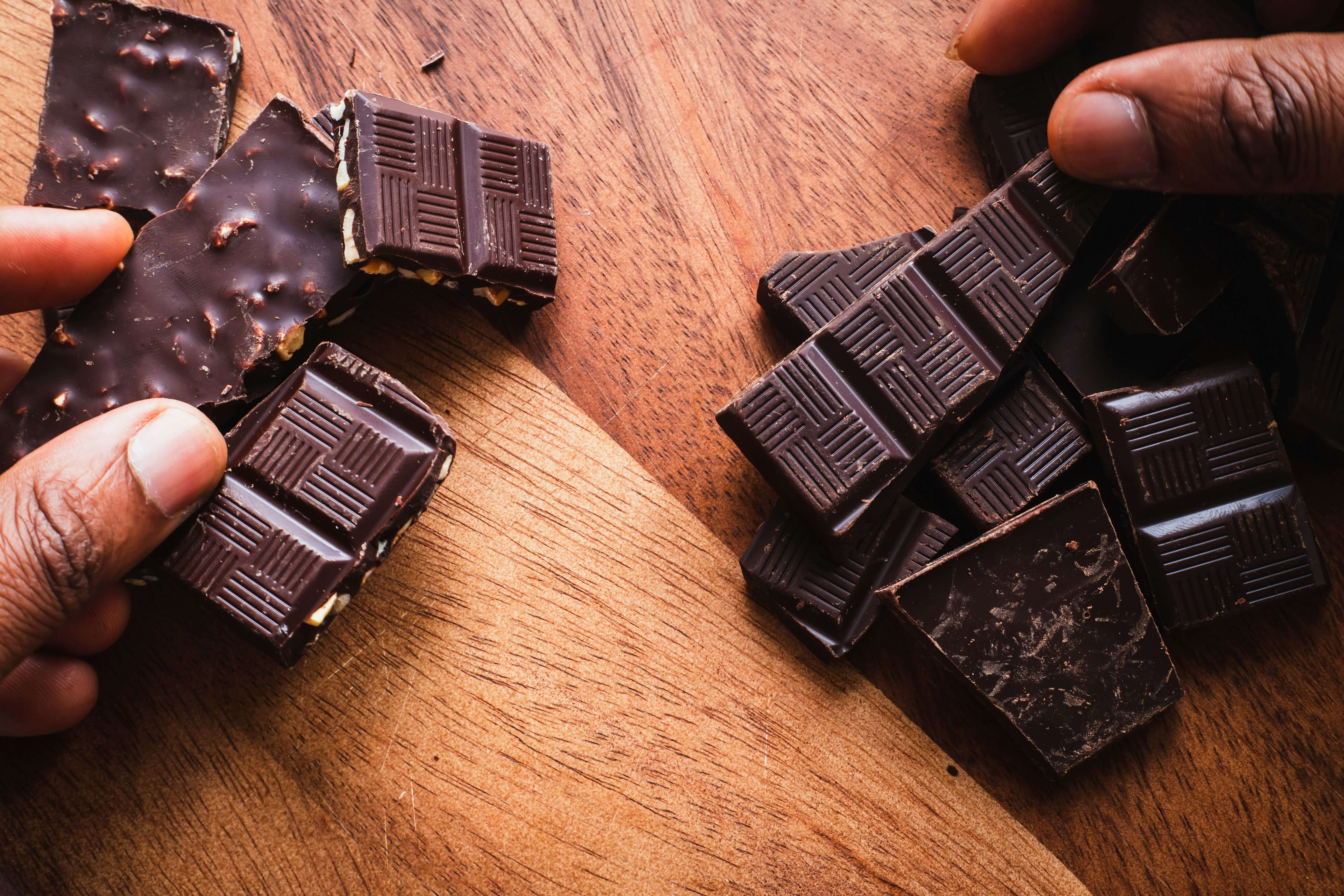
After a long or stressful day, many people suddenly crave something sweet. Chocolate, cookies, pastries, or sugary drinks can feel almost irresistible. This isn’t just about willpower — it’s actually connected to how your brain responds to stress.
When you feel stressed, your body releases a hormone called cortisol. Cortisol prepares your body to deal with pressure, but it can also increase your appetite and push you toward quick sources of energy. Sugary foods give your brain a fast boost, which is why they often feel comforting in stressful moments.
There’s also an emotional side. Sweet foods are often connected to positive memories — celebrations, treats, or rewards. So when you’re feeling overwhelmed, your brain may look for that familiar comfort.
The challenge is that the “sugar boost” usually doesn’t last long. After the quick burst of energy, many people feel tired again or crave even more sugar.
Instead of fighting cravings completely, it helps to understand them. Try pairing sweet foods with balanced meals or healthier snacks like fruit, yogurt, or nuts. These options still satisfy your taste while providing more steady energy.
Another helpful habit is checking in with yourself during stressful moments. Sometimes your body may actually need rest, a short walk, or a few deep breaths rather than sugar.
Practical Tip:
When a sugar craving hits, pause for a moment. Drink water, take a few deep breaths, and decide if you still want the snack afterward.