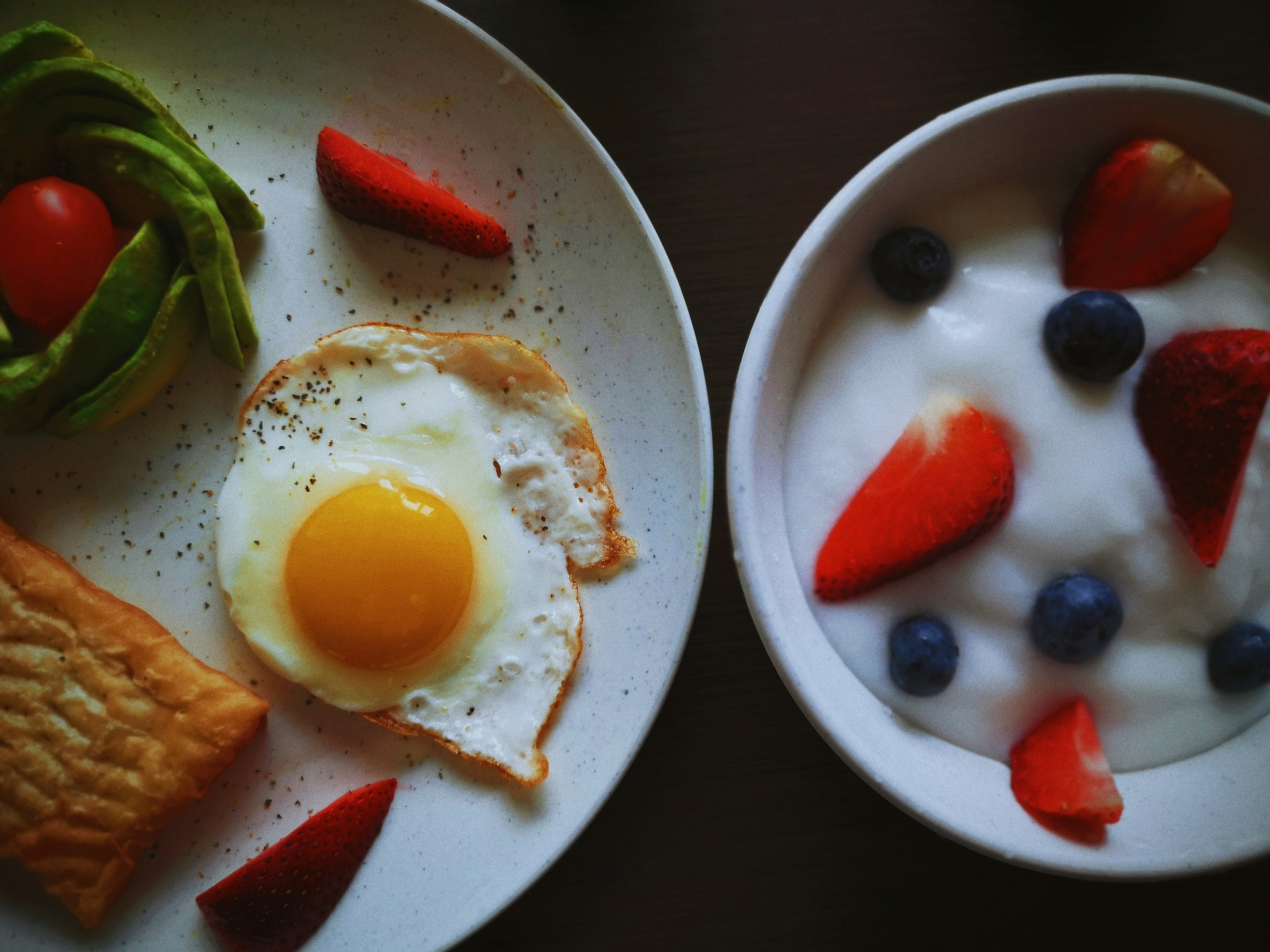
Ever feel energized after breakfast—only to hit a wall by 11 a.m.? Or wide awake after lunch, then sleepy an hour later? That up-and-down feeling often comes from how we fuel our bodies.
Steady energy isn't about eating more. It's about eating smarter.
One common mistake is relying on quick carbs alone—like white toast, sugary cereal, pastries, or sweet drinks. These foods raise blood sugar quickly, giving you a short burst of energy. But when blood sugar drops soon after, you may feel tired, foggy, or irritable.
Instead, aim for balanced meals. Try combining three key elements:
- Protein (eggs, yogurt, beans, chicken, tofu)
- Fiber-rich carbs (whole grains, vegetables, fruit)
- Healthy fats (nuts, seeds, olive oil, avocado)
For example, oatmeal with nuts and fruit will keep you fuller and more energized than a plain croissant. A sandwich with whole-grain bread and protein lasts longer than white bread alone.
Timing matters too. Skipping meals can lead to energy dips and overeating later. Eating every 3–4 hours—whether it's a meal or a small balanced snack—helps keep your energy steady.
Don't forget hydration. Even mild dehydration can make you feel sluggish and unfocused. If you feel tired, try drinking water before reaching for another coffee.
Speaking of coffee, caffeine can help in moderation. But too much—especially later in the day—can disrupt sleep. Poor sleep then leads to low energy the next day, creating a cycle.
You don't need a perfect diet. Small improvements go a long way. Adding protein to breakfast, choosing whole grains more often, and drinking water regularly can noticeably smooth out energy highs and lows.
Practical takeaway:
At your next meal, ask yourself: Does this include protein, fiber, and healthy fat? That simple check can help you build steadier energy throughout the day.

