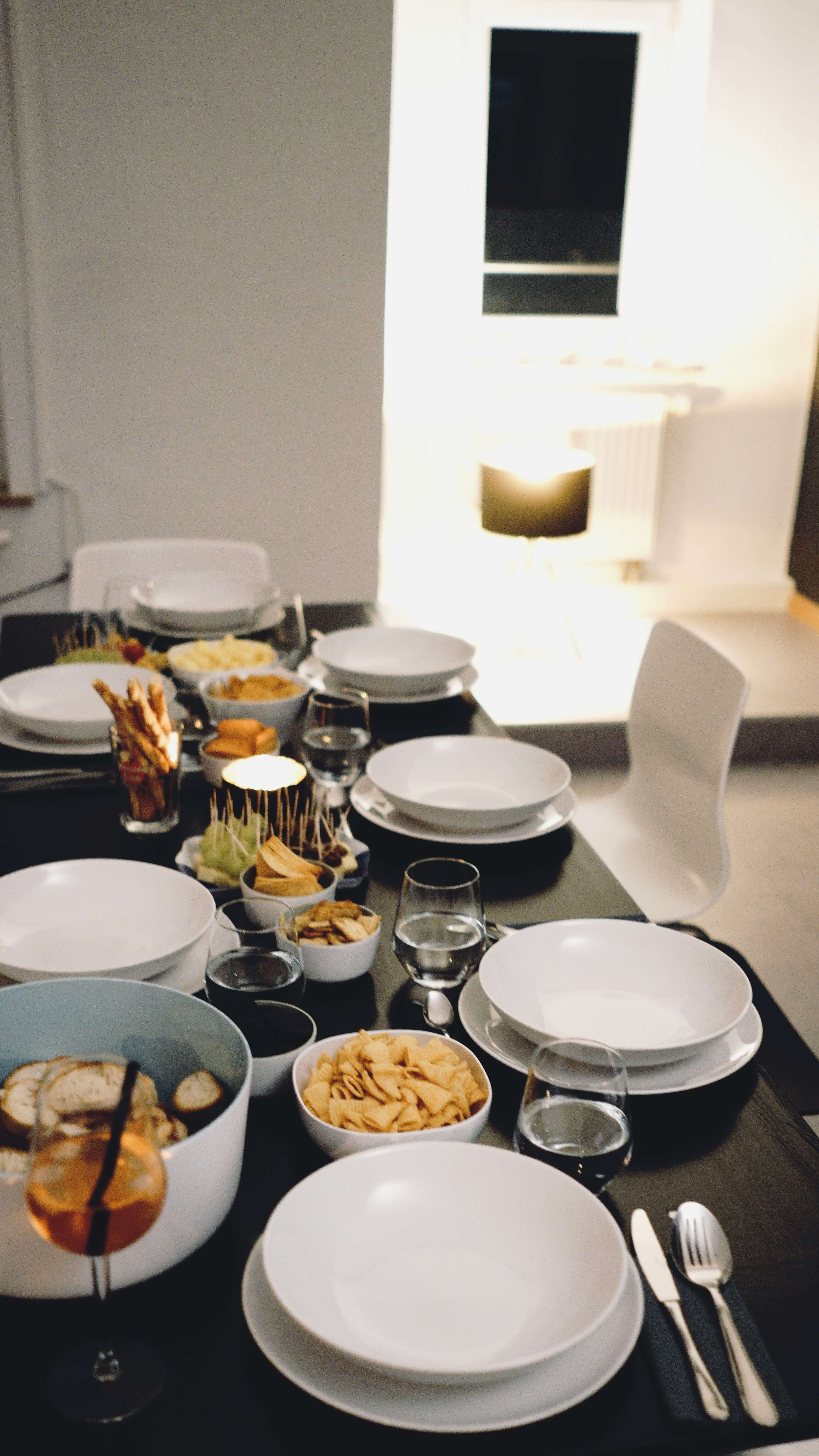
Many of us eat quickly—between meetings, while scrolling on our phones, or standing in the kitchen. But rushing meals can leave you feeling bloated, uncomfortable, or overly full.
Eating slowly gives your body time to do its job.
Digestion actually begins in your mouth. Chewing food well breaks it down and makes it easier for your stomach to process. When you swallow large bites too quickly, your digestive system has to work harder, which can lead to gas, bloating, or indigestion.
There’s another benefit: your brain needs about 20 minutes to register fullness. If you eat very fast, you may consume more than your body needs before you realize you’re satisfied. Slowing down helps you notice when you’re comfortably full—not stuffed.
Try simple changes. Put your fork down between bites. Chew a little longer. Take a sip of water. Avoid eating in front of screens when possible. Even turning one meal a day into a calmer experience can make a difference.
For example, instead of finishing lunch in five minutes at your desk, step away for 15–20 minutes. Focus on the taste and texture of your food. You may find you feel lighter and more comfortable afterward.
Eating slowly isn’t about strict rules. It’s about tuning in to your body’s signals.
Practical takeaway: Choose one meal today and stretch it out by five extra minutes. Notice how your body feels afterward.