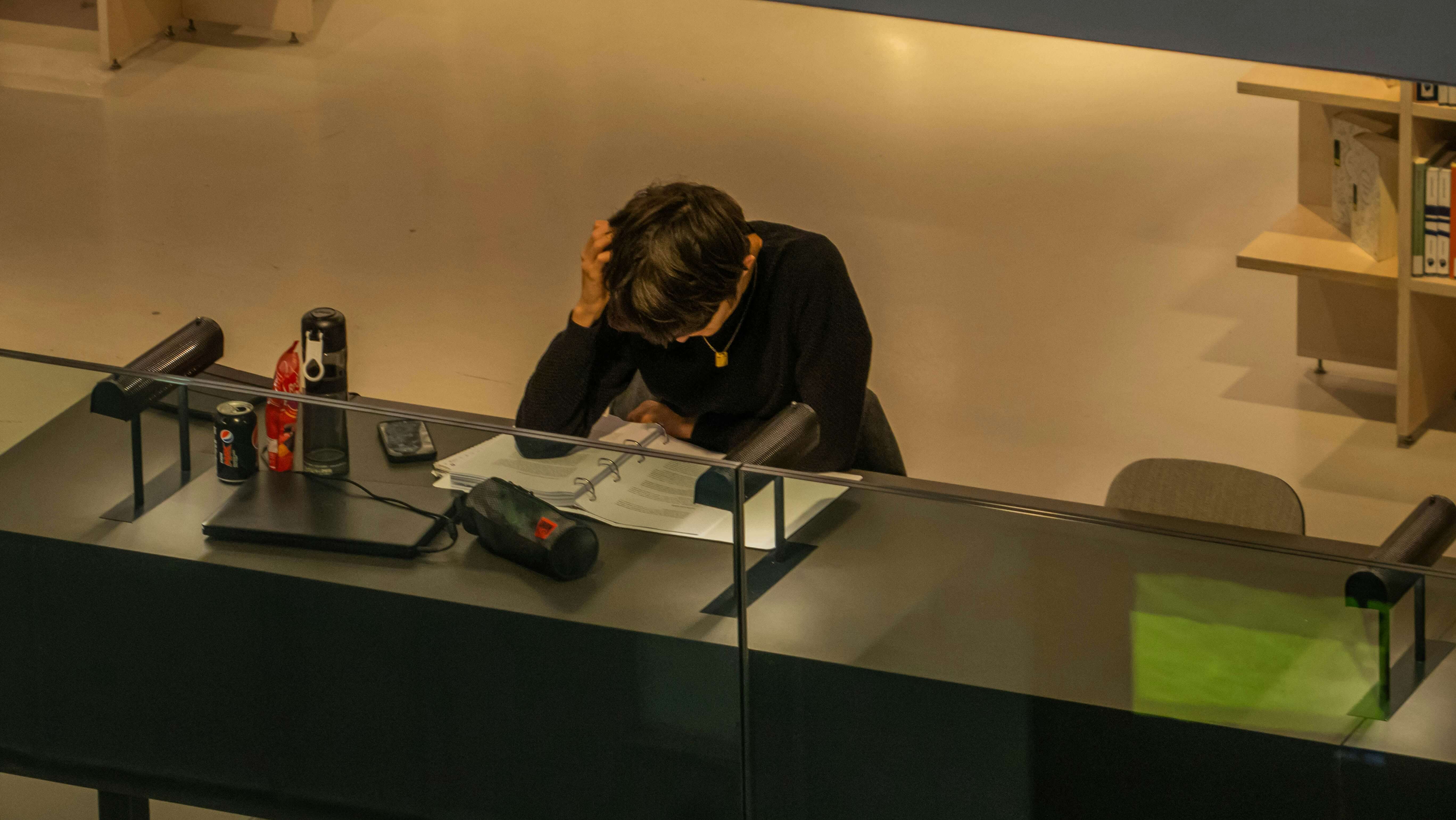
You set your alarm, got a full night's sleep, and still woke up feeling like you hadn't slept at all. Sound familiar? You're not broken — but your sleep quality might be.
Sleep isn't just about time. It's about depth.
Your body goes through several sleep cycles each night, each lasting around 90 minutes. During the deepest stages, your brain clears waste, your muscles repair, and your immune system recharges. If something disrupts those cycles — even briefly — you can wake up feeling completely drained despite the hours logged.
So what's stealing your deep sleep?
One of the biggest culprits is your phone. Scrolling through social media or watching videos before bed exposes your brain to blue light, which tricks it into thinking it's still daytime. This delays the release of melatonin — the hormone that signals your body it's time to rest.
Alcohol is another sneaky one. Many people think a drink helps them sleep, and it does help you fall asleep faster — but it fragments your sleep later in the night, robbing you of that deep, restorative rest.
Stress and an inconsistent sleep schedule are also major factors. Going to bed at different times each night confuses your internal clock, making it harder to fall into deep sleep naturally.
What actually helps: Put your phone down at least 30 minutes before bed — not just face-down, actually away. Keep your bedroom cool, dark, and quiet. Try to wake up at the same time every day, even on weekends. That consistency trains your body to sleep more efficiently.
You don't always need more sleep. Sometimes you just need better sleep.
Practical Tip: Set a "phone down" alarm 30 minutes before your actual bedtime. One small habit shift can dramatically change how you feel in the morning.