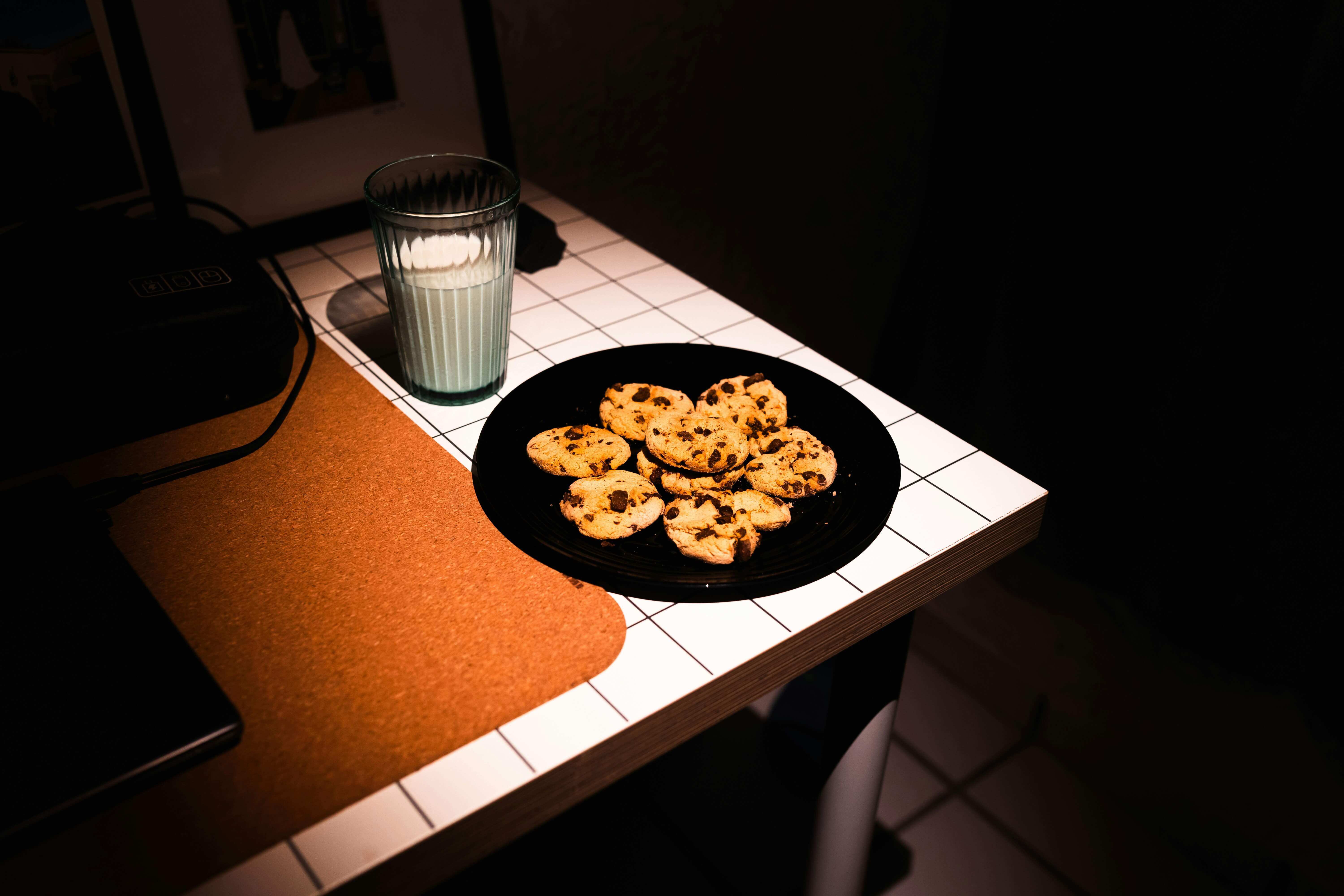
Many people enjoy a small snack before bed. Maybe it’s a bowl of cereal while watching TV, a piece of chocolate, or leftovers from dinner. While an occasional snack isn’t harmful, eating late at night too often can affect your sleep.
When you eat shortly before going to bed, your body has to stay active to digest the food. Instead of relaxing and preparing for sleep, your digestive system continues working. This can make it harder for your body to fully settle down.
Certain foods can also interfere with sleep. Sugary snacks or heavy meals may cause energy spikes, while spicy or fatty foods may lead to discomfort or heartburn when lying down.
Late-night eating can also become a habit connected to boredom or routine rather than real hunger. For example, many people snack simply because they are watching TV or scrolling on their phone.
This doesn’t mean you must avoid food completely at night. If you’re truly hungry, a light snack like yogurt, a banana, or a handful of nuts can be a better option than heavy or sugary foods.
Another helpful habit is creating a small evening routine that signals to your body that the day is ending. This might include dimming lights, reading a book, or drinking herbal tea.
Practical Tip:
Try to finish eating at least 1–2 hours before bedtime to give your body time to relax before sleep.
