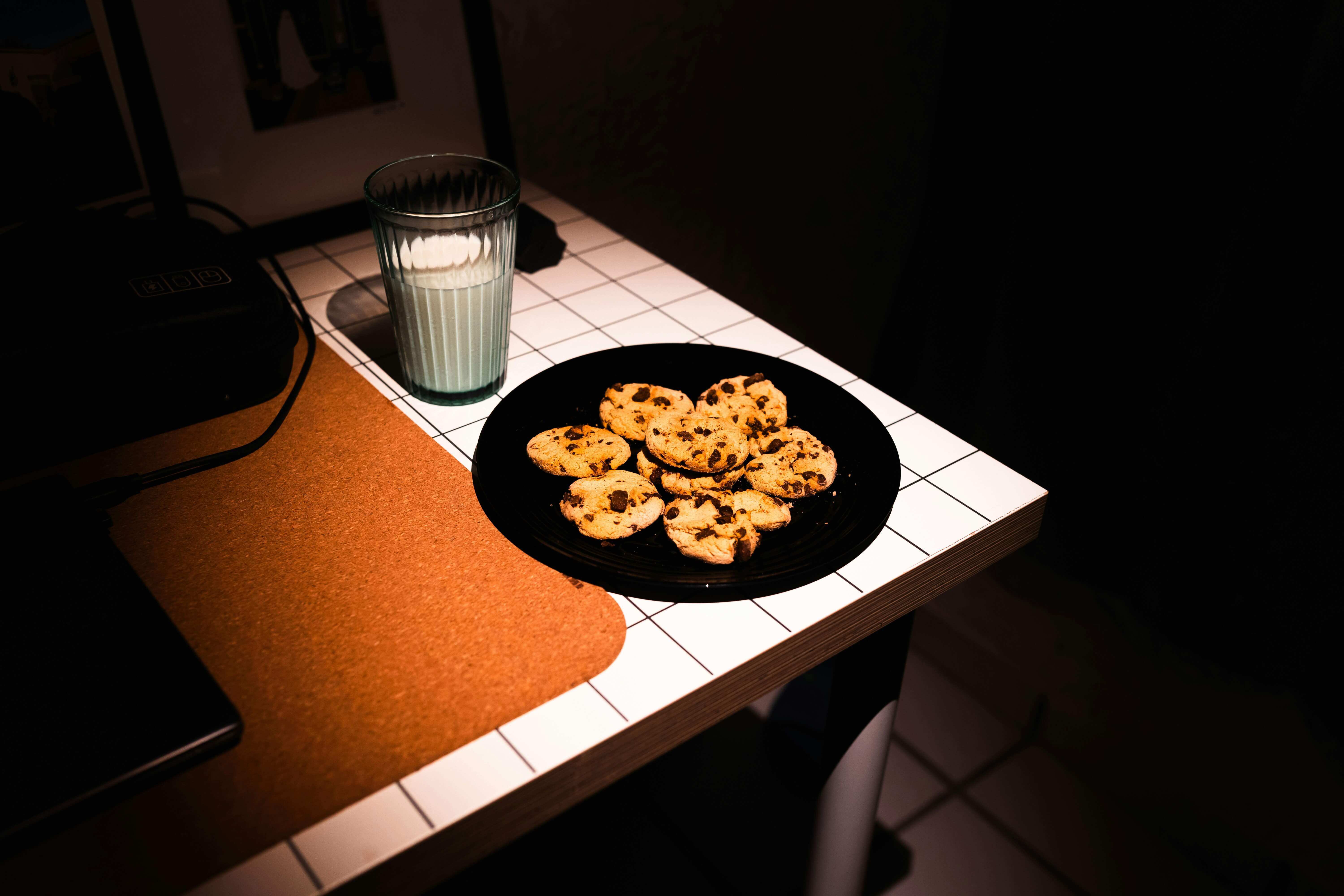
Many people promise themselves they won’t snack late at night — but when evening arrives, the kitchen suddenly becomes very tempting. Late-night snacking is a common habit, especially after long or stressful days.
Sometimes the reason is real hunger. If you skipped meals or didn’t eat enough during the day, your body may simply be asking for energy. But often, late-night eating happens because of boredom, stress, or habit.
For example, you might sit down to watch a show and automatically reach for chips or cookies. Or after a busy day, snacks can feel like a small reward.
Over time, frequent late-night snacking can affect sleep quality, digestion, and weight balance. Eating right before bed can make it harder for the body to rest and recover overnight.
The good news is that small changes can make a big difference.
Start by eating balanced meals during the day. Meals that include protein, fiber, and healthy fats help you stay full longer and reduce evening cravings.
Create an “end-of-kitchen” routine. After dinner, clean the kitchen, brush your teeth, or drink herbal tea. This simple signal tells your brain that eating time is finished.
Change your evening habits. If snacking is linked to watching TV, try keeping your hands busy — reading, stretching, or preparing things for the next day.
And if you are truly hungry at night, choose light, balanced snacks such as yogurt, fruit, or a handful of nuts instead of sugary or processed foods.
Breaking a habit takes time, but small consistent changes can help your body return to a healthier rhythm.
Practical Tip:
Try a “kitchen closing time.” Pick a time (for example, 8:30 pm) when you stop eating for the night.